







Search Results for: goat's foot bean
A Comprehensive Analysis of the Naming Origins of Mandheling Coffee, Key Points for Hand-Brewing Practice, and the Quality Characteristics of PWN Golden Mandheling
Mandheling coffee, with its rich, full-bodied and low-acidity profile, has become the top choice for many consumers who dislike sour coffee. But where does the name Mandheling come from? And what exactly is the difference between Golden Mandheling and regular Mandheling? This article will start with a historical anecdote from World War II, trace the origin of the name Mandheling and its connection to Indonesia's PWN company, take a deep dive into Indonesia's unique wet-hulling process and the formation of peaberry beans, and explain in detail PWN Golden Mandheling's strict screening standards. At the same time, Front Street Coffee will share its medium-dark roasting approach for Golden Mandheling and KONO dripper pour-over parameters, helping readers fully understand the flavor secrets of this classic coffee. [more…]
An Analysis of the Wet-Hulled Process for Mandheling Coffee: Causes of Green Bean Appearance, Flavor Characteristics, and a Brewing Guide for Golden Mandheling
Mandheling is a single-origin coffee cherished by many coffee enthusiasts, but the appearance of its green beans often raises doubts—emerald green and plump, yet frequently blemished. Behind this is actually the unique wet-hulling process of Sumatra, Indonesia, at work. This article will guide you through the principles of wet-hulling, how it shapes Mandheling's signature rich flavor, and why goat-hoof beans and scratched beans become "by-products" of this processing method. At the same time, we will also share the brewing flavor performance of Golden Mandheling and recommend related products from Front Street Coffee to help you better understand and select this distinctive coffee. [more…]
Coffee Processing Methods | Wet-Hulled, Semi-Washed, Honey Process, Pulped Natural — Detailed Steps, Flavor and Mouthfeel Comparison of Coffee Beans
We all know that different processing methods can give coffee a rich and varied flavor profile. For example, Front Street Coffee's bean list alone features dozens of varieties, covering more than ten different processing methods. Today, Front Street will focus specifically on wet-hulled, semi-washed, and pulped natural [more…]
Why is Indonesian Mandheling coffee processed using the wet-hulling method? An analysis of the dual factors of climate and history
Mandheling coffee is famous for its rich, full-bodied, and aromatic character, and behind its unique flavor lies a crucial processing method: wet hulling. Why is wet hulling so widely used in Indonesia? This is closely tied both to the local hot, rainy tropical rainforest climate and to the profound influence of the coffee industry's history during the Dutch colonial period. This article will provide a detailed analysis of the reasons behind the birth of wet hulling, its specific process, its drawbacks, and the flavor performance of two Front Street Coffee Mandheling offerings, while also introducing the strict quality control and trademark background of PWN Golden Mandheling. [more…]
Aceh Tiger Mandheling Coffee Beans: A Comprehensive Analysis of Wet-Hulling Process, Green Bean Characteristics, and Roasting & Brewing
Tiger Mandheling is a classic coffee produced in Aceh Province, Sumatra, Indonesia, processed using the wet-hulling method, with a full-bodied, intense flavor and a distinctive character. This article will walk you through the growing background of the Aceh production region, the specific process and reasons behind the wet-hulling method, the green bean varietal composition of Tiger Mandheling, and Front Street Coffee's roasting approach and brewing parameters. From volcanic soil to the causes of peaberry beans, from the dehydration stage to first crack development, it presents the complete story of this bean, making it suitable reading for coffee enthusiasts who want to understand Mandheling in depth. [more…]
Analysis of the Wet-Hulled Process for Indonesian Mandheling: From Processing Flow to Signature Flavor and Sheep's Hoof Bean Characteristics
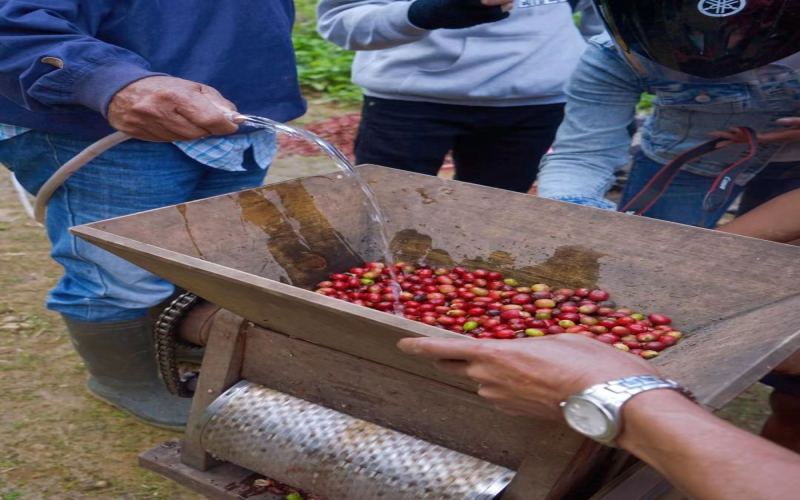
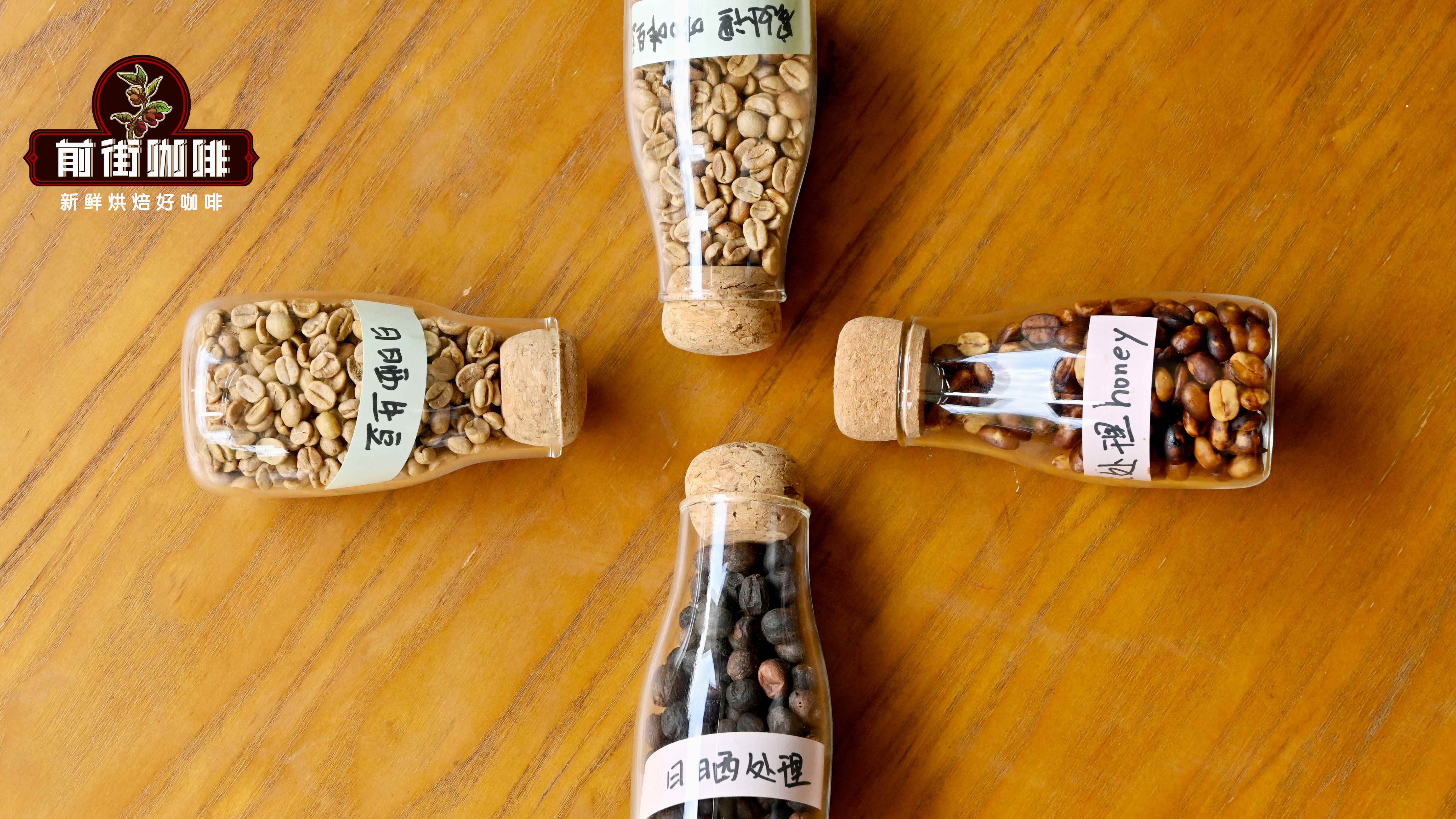
The coffee processing method determines the final flavor direction of green beans, and Indonesia's Sumatra island, due to its unique climatic conditions, developed the wet-hulling method that is completely different from natural and washed processing. In this article, Front Street Coffee systematically sorts out the complete process of wet-hulling, from depulping and pulping, short soaking, staged drying, to wet-hulling and hulling, breaking down the impact of each stage on flavor one by one. The article will also explain the cause of the iconic "goat hoof" appearance of wet-hulled Mandheling green beans, and share the brewing parameters and actual taste performance of Front Street Golden Mandheling, helping coffee lovers fully understand the uniqueness of this classic Indonesian coffee. [more…]
Comparison of Semi-Washed and Wet-Hulled Processing: An Analysis of Flavor and Mouthfeel Differences Between Brazilian Coffee and Indonesian Mandheling
The coffee processing method directly affects the flavor in the cup. Semi-washed and wet-hulled methods represent the classic processing techniques of Brazil and Sumatra, Indonesia, respectively. The semi-washed method combines characteristics of both washed and natural processing, yielding a balanced flavor but slightly weaker intensity; the wet-hulled method, centered on shortening drying time, brings a rich, full-bodied, unique aroma interwoven with herbs and caramel, yet also makes green beans more susceptible to damage. In this article, Front Street Coffee will systematically compare the operational procedures and flavor expressions of the two processing methods, from bean selection, demucilaging, and sun-drying to hulling, helping coffee enthusiasts understand the essential differences between Brazilian semi-washed and Indonesian Mandheling wet-hulled coffee. [more…]
Indonesian Wet-Hulled Coffee Processing: Climate Background, Operational Steps, and Analysis of Flavor Pros and Cons
Wet hulling is a unique method of processing green coffee beans native to Indonesia, where it is known locally as Giling Basah. Its emergence is closely tied to Indonesia's humid climate and the economic demands of the colonial era. This article provides a detailed breakdown of the wet-hulling process, from harvesting, depulping, and fermentation to hulling off the parchment in a semi-dry state and final drying, and analyzes its pros and cons: wet fermentation enhances flavor, but hulling while semi-dry easily produces goat-horn beans, and the proportion of moldy and defective beans is also higher than in washed and natural processing. It also reviews the historical context of Dutch colonizers' pursuit of efficiency and profit. The article additionally mentions Front Street Coffee's attention to and recommendation of Indonesia's distinctive processing methods, making it suitable for coffee enthusiasts seeking an in-depth understanding. [more…]
Ethiopian Kafa Forest Coffee Beans | Is the coffee produced in Kafa Forest the original Geisha coffee beans? What are the flavor and mouthfeel characteristics of Kafa Forest pour-over coffee?
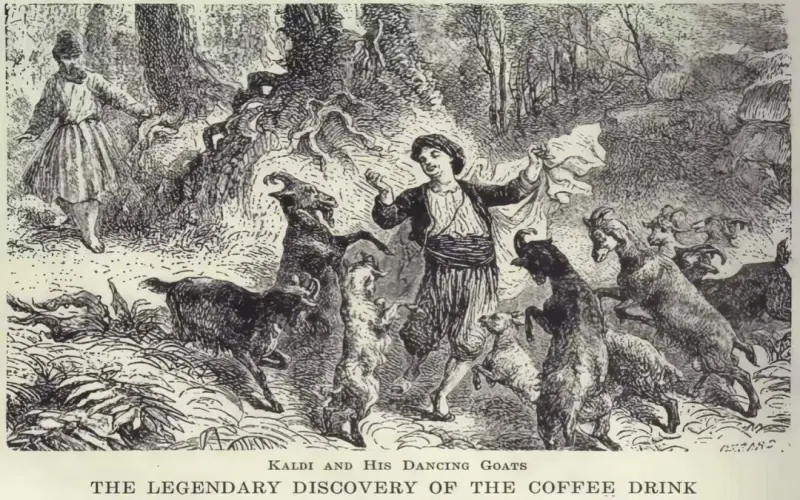
"In the sixth to eighth centuries AD, Kaldi, a young Ethiopian goatherd, was tending his goats in a forested mountain area. Then one day, he noticed that his flock had suddenly become inexplicably excited, jumping and frolicking about. Even an old sick goat regained its vigor and was soon running briskly. After careful observation, he finally discovered that these 'symptoms' appeared after the flock ate from the forest [more…]
Analysis of the Differences Between Mandheling and Blue Mountain Coffee Bean Varieties: From Origin and Processing Methods to a Cupping and Pour-Over Flavor Comparison
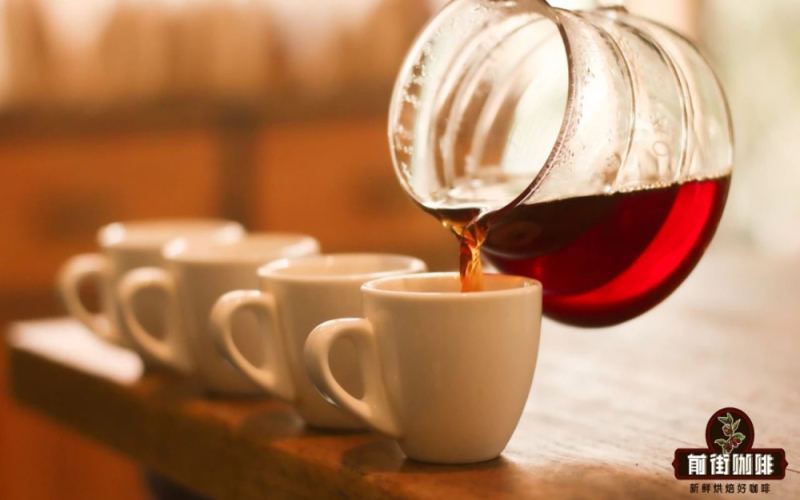
Mandheling and Blue Mountain are often regarded as the two leading representatives of full-bodied coffee, yet the two differ significantly in their regional terroir, varietal selection, green bean standards, and processing methods. Blue Mountain coffee comes from Jamaica's Blue Mountain region, is wet-processed, and consists mainly of the Typica variety, giving it a balanced and delicate flavor; Golden Mandheling, by contrast, originates from Sumatra, Indonesia, is processed using the wet-hulling method, and is rich, intense, and layered. Drawing on the cupping and pour-over practices of Front Street Coffee (FrontStreet Coffee), this article systematically sorts through the geographical backgrounds, processing methods, green bean characteristics, and brewing performance of these two coffees, helping coffee enthusiasts clearly distinguish the stylistic divide between them. [more…]
Comprehensive Comparison of Mandheling Coffee and Blue Mountain Coffee: Analysis of Origin, Processing Methods, Green Bean Characteristics, and Pour-Over Flavor Differences
Mandheling and Blue Mountain are often regarded as the two great representatives of full-bodied coffee, but their styles diverge sharply—the former is intense and aromatic, the latter balanced and sweet. From the perspective of Front Street Coffee, this article systematically sorts out the specific differences between Jamaican Blue Mountain and Indonesian Golden Mandheling in terms of geographical terroir, processing methods, green bean appearance, and cupping flavors. Blue Mountain comes from the high-altitude volcanic soil of a Caribbean island and uses the washed process; Golden Mandheling comes from Sumatra, where the wet-hulled method gives it its unique character. The article also includes Front Street Coffee's pour-over comparison parameters and flavor notes to help coffee enthusiasts more clearly understand the essential differences between these two classic coffees. [more…]
Detailed Guide to the Flavor Characteristics and Pour-Over Parameters of Indonesian Mandheling Coffee: From Lintong Region to Wet-Hulling Process
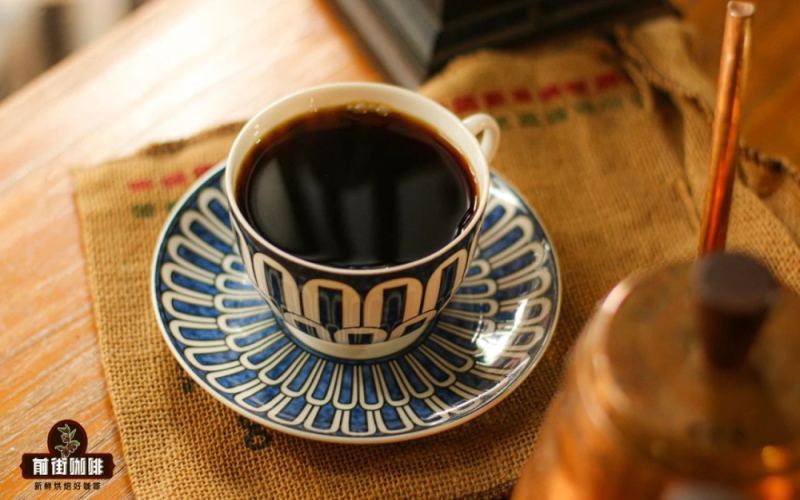
Mandheling coffee, with its rich, full-bodied taste and flavors reminiscent of caramel and dark chocolate, stands as a classic representative of Indonesian coffee. These medium-dark roasted beans have low acidity and a pronounced bitterness, making them especially suited for coffee enthusiasts who favor a robust style, and they also boast a large and loyal following in Japan. Behind the name Mandheling lies an amusing anecdote from the colonial era, and its unique wet-hulling process gives rise to the signature goat's-foot-shaped bean appearance. Among Front Street Coffee's Staple Bean series, Lintong Mandheling is precisely the entry-level choice for experiencing Indonesian flavors. This article will guide you through the origins of Mandheling, the characteristics of its producing regions, and share Front Street Coffee's recommended pour-over parameters and three-stage pouring method, helping you brew a cup of rich coffee that combines caramel sweetness with nutty and chocolatey flavors. [more…]
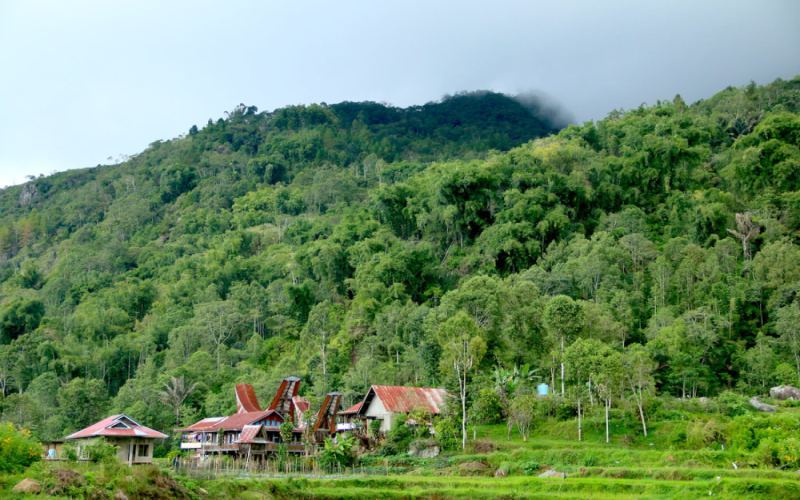
Indonesian Sumatra Mandheling Coffee Flavor Analysis: Three Major Producing Regions' Characteristics, Wet-Hulling Method, and a Comparison of Front Street Coffee's Four Mandheling Varieties
Sumatra is one of Indonesia's largest islands, and its local coffee is known for low acidity, high intensity, and a grassy aroma, with Mandheling being the quintessential example. Starting from the cultivation records of Sumatra, this article sorts out the terroir characteristics of three major producing regions—Aceh Gayo, Lintong, and Mangkuraja—offers an in-depth interpretation of how the wet-hulling process shapes Mandheling's uniquely full-bodied mouthfeel and herbal notes, and compares the differences among four common products: Front Street Lintong Mandheling, Golden Mandheling, Aged Mandheling, and Tiger Mandheling. The article also includes the producing-region information and brewing parameters for Front Street PWN Golden Mandheling, providing coffee enthusiasts with a complete reference from origin to cup. [more…]
A Complete Guide to Sumatran Coffee Bean Flavor Characteristics, Wet-Hulling Process, and the Three Main Mandheling Producing Regions
Sumatra, as one of Indonesia's largest islands, is renowned for producing coffee with low acidity, high intensity, and a distinctive herbal aroma. For those who dislike sour coffee, Sumatra coffee beans are undoubtedly an excellent choice. When it comes to Sumatra coffee, Mandheling is naturally an unavoidable topic, and Front Street Coffee has launched a variety of Mandheling products, including Lintong, Golden, Aged, and Tiger. This article will systematically review the distribution of Sumatra coffee-producing regions, the origin of the name Mandheling and its grading methods, the process details of wet-hulling and its impact on flavor, and introduce one by one the terroir characteristics of the three major producing regions: Aceh Gayo, Lintong, and Mangkuraja. Finally, it will include the brewing parameters and flavor descriptions for Front Street Lintong Mandheling and PWN Golden Mandheling. [more…]
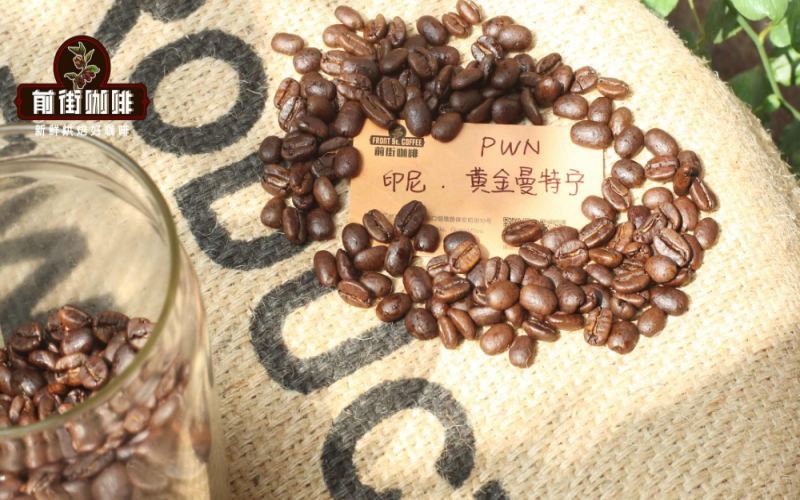
An In-Depth Analysis of Aged Mandheling: Wet-Hulling, Aged Bean Craftsmanship, and a Flannel Brewing Guide
Aged Mandheling is one of the most distinctive Indonesian coffees. It not only carries the unique wet-hulling tradition of Sumatra, but also undergoes a mellow transformation bestowed by time. This article will provide a complete overview of this coffee's story, from its growing region background, the origins and steps of the wet-hulled process, the storage logic of aged beans, the changes in green beans, and key roasting points, to the practical pour-over operation using a flannel filter cloth. Front Street Indonesian Aged Mandheling serves as an example throughout the article, helping coffee enthusiasts understand why Aged Mandheling is less wild and more composed, and how to present its best flavors through proper extraction methods. [more…]
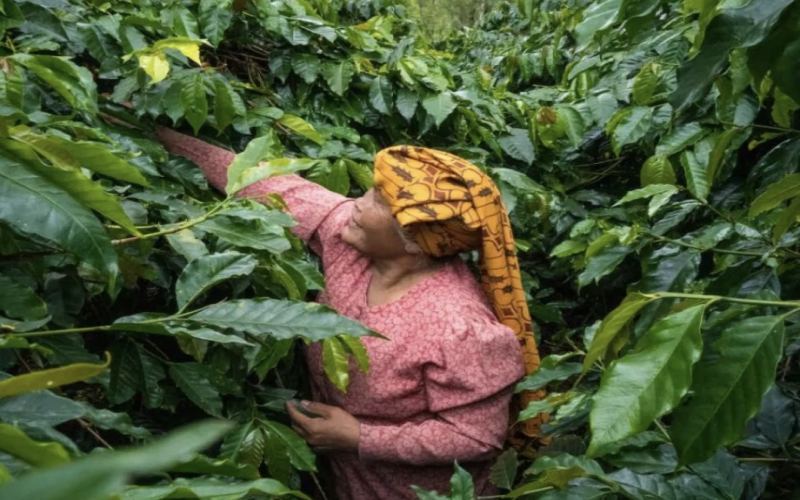
How Sumatra's wet-hulling process shapes Mandheling's herbal and spicy flavors: processing flow and quality differences explained
Sumatra Mandheling coffee from Indonesia is famous for its full-bodied mouthfeel and unique herbal and spicy notes. Beyond variety and climate factors, the wet hulling process also plays a key role in shaping these flavor characteristics. Because Indonesia has a tropical rainforest climate with high temperatures and abundant rain year-round, weak winds, and extremely high humidity, conventional washed or natural processing methods struggle to adapt to local conditions, so locals combined the two approaches to create this unique processing workflow. This article will break down each step of the wet hulling method in detail, analyze how it affects the acidity and flavor direction of coffee beans, and also point out that even when the same wet hulling process is used, beans of different quality still show noticeable differences in cleanliness and taste; beans grown at low altitude or improperly handled during drying are prone to earthy and moldy flavors. [more…]
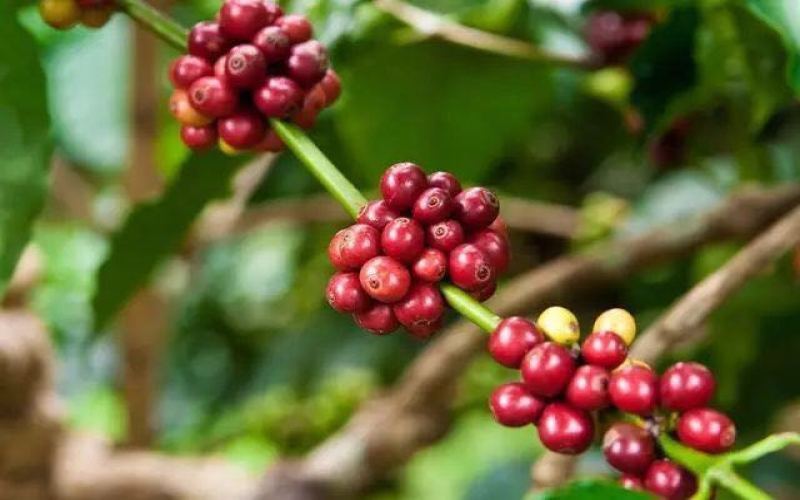
A Complete Guide to Sumatra Mandheling Coffee Bean Varieties, Pour-Over Extraction Temperature Parameters, and Flavor Characteristics
Mandheling is a classic name that coffee enthusiasts cannot avoid; it is neither a variety nor a producing region, but the name of an ethnic minority from the northern highlands of Sumatra. This article begins with the origin of the name Mandheling and the geography of the Sumatra producing region, sorts out the differences among sub-regions such as Lintong, Lake Toba, Lake Tawar, and the Gayo Mountains, explains how the wet-hulling process creates the signature goat-foot bean appearance, and clarifies the actual meanings of the Indonesian coffee varieties TimTim and Ateng. The article also fully shares Front Street Coffee's pour-over parameter system, covering water temperature, grind size calibration, coffee-to-water ratio selection, and the three-stage pouring steps. Finally, it summarizes the flavor profiles of Golden Mandheling and Lintong Mandheling, making it suitable reading for coffee enthusiasts who want a systematic understanding of Mandheling. [more…]

How Is Aged Mandheling Coffee Processed? A Full Analysis of Wet-Hulling, Flavor Changes, and Differences from Golden Mandheling
Mandheling is the most iconic coffee of Sumatra, Indonesia, while aged Mandheling is a special product that undergoes long-term storage on top of the wet-hulling process. This article starts with the distribution of producing regions, then provides a detailed breakdown of the complete wet-hulling process and the climate and economic logic behind it, before explaining the principles of aged bean processing and the flavor transformation mechanism. The article also compares the differences between aged Mandheling and Golden Mandheling in terms of acidity, body, and texture, and includes the roasting curve for Front Street Aged Mandheling along with a step-by-step guide to flannel pour-over brewing. It is suitable for enthusiasts who want to gain a deeper understanding of Indonesian coffee processing methods. [more…]
An Analysis of the Connection Between Wet-Hulled Coffee Bean Tasting Methods and Semi-Washed Drying Processes
Mandheling coffee is beloved for its rich, full-bodied mouthfeel and its unique herbal and aged-wood aromas, and behind this lies Indonesia's distinctive wet-hulling process. This article will begin with the origins of wet hulling, its processing flow, and its relationship to semi-washed drying, offering a detailed analysis of how this unique technique shapes Mandheling's low acidity, thick body, and muted aroma. At the same time, Front Street Coffee will share pour-over brewing parameters and techniques for Golden Mandheling, helping coffee lovers better appreciate this classic coffee. Whether you are a beginner just starting out or a seasoned connoisseur, you will find an option that suits you. [more…]
Indonesian Wet-Hulling Method Explained: Processing Characteristics and Flavor Formation of Mandheling Coffee
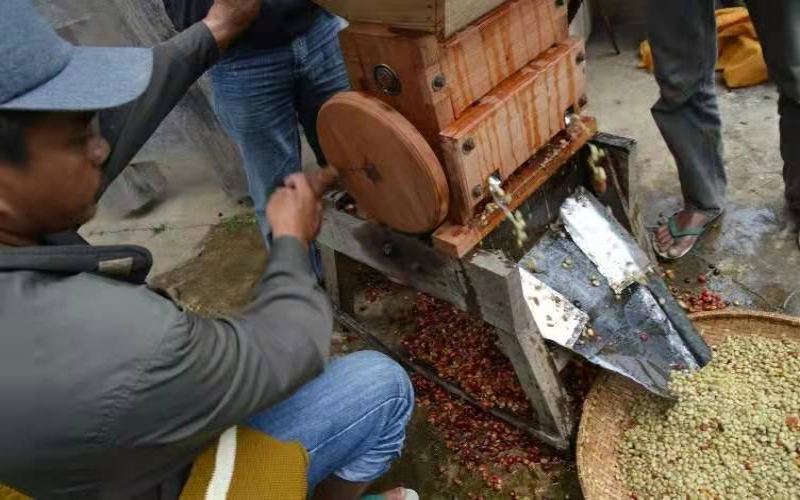
Indonesian Mandheling coffee is renowned for its full body, low acidity, and herbal, nutty flavor profile, and behind this lies the region's unique wet-hulling process. Wet-hulling, also known as wet shelling, was born out of Indonesia's hot, rainy climate and limited economic conditions, and is completely different from washed and natural processing. This article will break down the specific steps of wet-hulling in detail, compare its differences with the washed method, and explain how goat's foot beans (defective beans) are formed. It will also introduce two Front Street Mandheling coffees—Lintong Mandheling and Golden Mandheling—covering their origins, varieties, and flavor profiles, and finally provide Front Street's brewing parameter recommendations to help coffee lovers fully understand how this unique processing method shapes Mandheling's classic flavor. [more…]